When it comes to preventing the spread of viruses like COVID-10, every precaution such as washing hands, maintaining social distance, wearing masks, and avoiding sick people are key. But what are other things we can do to give us an edge in staying healthy? As you know many people who catch the virus are asymptomatic and some have recovered in matters of days. But there are people who are hospitalized or on the vent because of COVID. When it comes to immune health, the analogy that I like to give is this. Our body is like a fortress. We need to build a strong fort, have adequate soldiers, and supply chains to fight off the enemy. And if the fort is being attacked, we have the ability to repair it quickly and efficiently. So how we can boost our immunity? Here are five tips I have to offer.

1) Adequate Sleep: We all experience days when we don’t sleep well and it affects our energy level and our mood. Our immune system is like a computer. It needs moments of rest. When we are sleep-deprived, the body release stress hormone like cortisol to keep us awake and alert, which can suppress the immune system.

2) Stay Active: Exercise is a powerful way to boost the immune system. It causes antibodies and white blood cells to circulate more rapidly which means they may be able to detect and zero in on bugs more quickly. There have also been studies that show people who exercise in moderation but regularly are less likely to come down with the flu as well.

3) Stay On Top of the Stress. There is a strong link between immunity health and mental health. When one is on constant chronic stress or anxiety, the body produces stress hormones that suppress the immune system. Therefore, people who are stressed are more susceptible to catching the virus. There are many stressors in life. Everyone identifies the stressor at a different level and cope with it differently. It is important that you have 3-4 coping mechanisms to deal with the stress and choose ones that are healthier. Many people drink, smoke, or play video games as a way to cope with their stress. However, there are plenty of healthy alternatives such as exercise, meditation, reading, and consulting someone you trust. You just need to find the 3-4 bags of tricks that work for you.
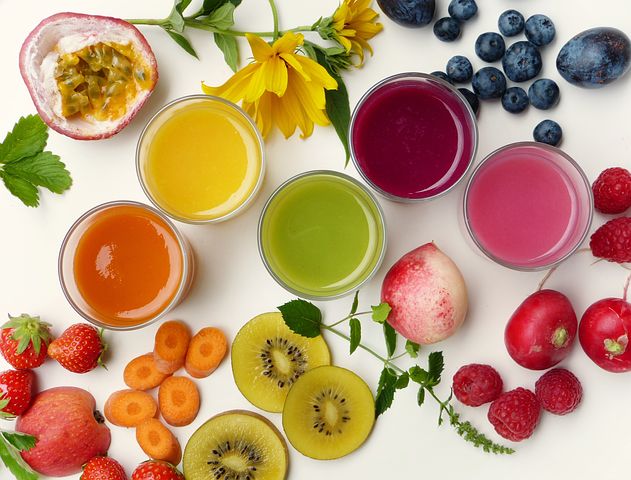
4) Watch Your Diet: A diet rich in fruits, vegetables, whole grains, healthy fat found in wholesome food is an excellent way to build a strong body that provides the building blocks to keep our cells healthy and to produce antibodies and white blood cells aimed to destroy unwelcome guests. The key vitamins that play a key role in boosting immunity health include Vitamin A, Vitamin C, Vitamin D, and B-Complex. The top minerals for the immune system are zinc, selenium, iron, and magnesium. There are also many phytochemicals like polyphenols and sulfur-containing compounds, all of which play some role in cellular health, cellular production, energy production, DNA synthesis, DNA repair. Specific foods that have immune-supporting properties such as anti-inflammatory, anti-oxidants, anti-bacterial that I would like to highlight include assorted berries, dark leafy greens, mushrooms, sweet potatoes, green tea, nutritional yeast, garlic, ginger, and turmeric. Foods that are rich in probiotics such as Kefir, kombucha, natto, and kimchi are also great immune booster foods.
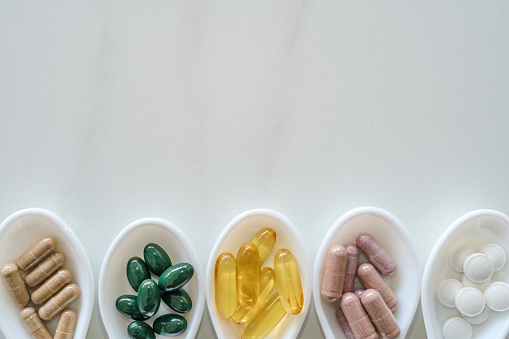
5) Be Strategic about Dietary Supplements: There is no magic pill that can prevent or fight the virus singlehandedly, especially when dietary supplements are regulated as food and NOT as medicine by the FDA. It is believed that isolated compounds extracted from foods do not have the consistent preventative effects as whole foods because the bioavailability may be lost or they do not behave the same way (bioactivity) when they are in whole foods. So, the best way to load up on these essential nutrients is really straight from food. However, with that being said, dietary supplements do help fill in the gap. From a behavioral perspective, not everyone eats a perfect diet and everyone has his/her own sets of dietary preferences which are hard to change. It is also possible that an erratic life schedule or a decreased appetite requires one to take dietary supplements to supplement the needs. When one is diagnosed with certain medical conditions, the demand for certain vitamins and minerals are increased as well (e.g. Vitamin D and B 12 deficiencies commonly found in older adults). If that is the case, it is best to take dietary supplements in addition to foods. Talk to your doctor if you are thinking about taking dietary supplements is my advice, bottom line.